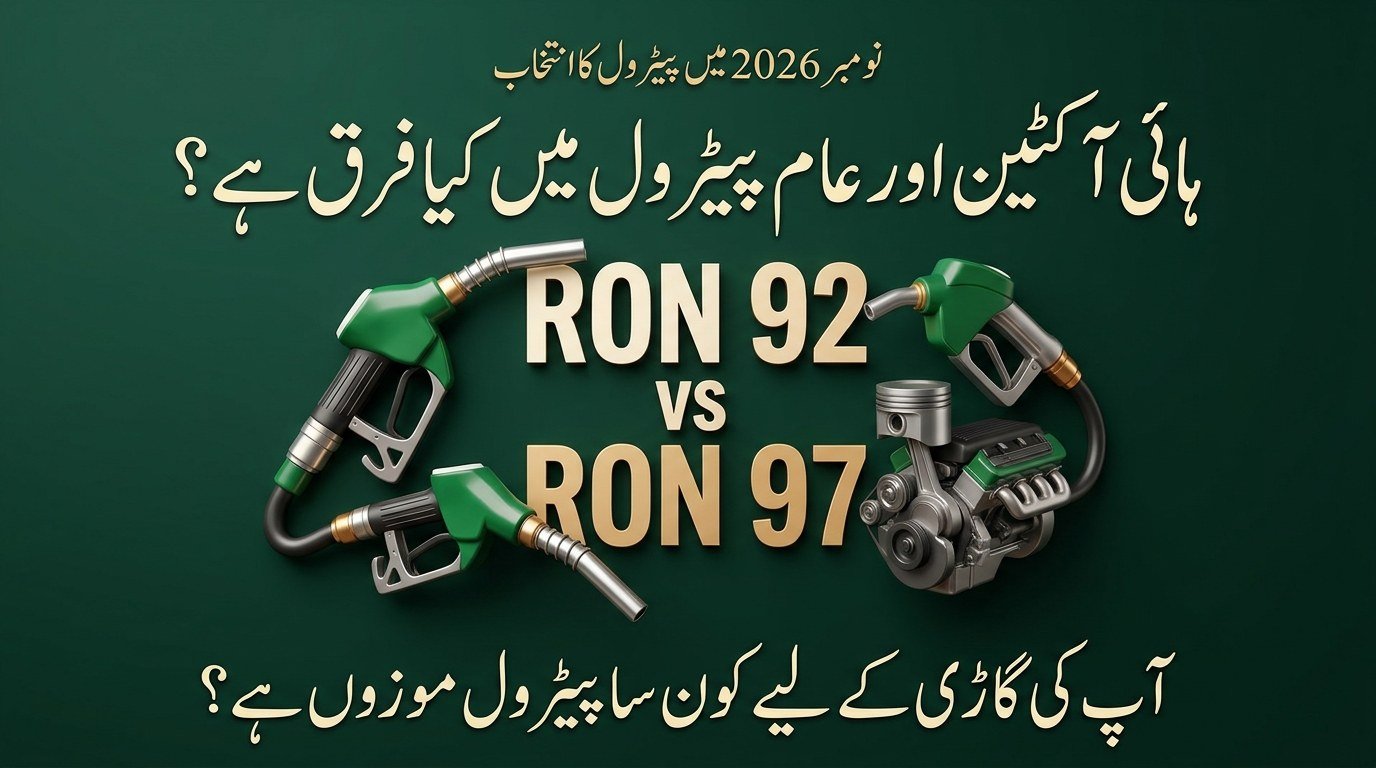
Every driver faces the same choice at the pump: regular petrol or high-octane petrol. The high octane vs regular petrol question matters because the two fuels have different octane ratings, different prices and different uses. Regular petrol is rated RON 92, while high-octane petrol is rated RON 97. According to the latest official announcement, regular petrol costs Rs 362.00 per litre from 5 November 2026. This guide explains the price gap, the mileage difference and which fuel your vehicle actually needs.
| Fuel | Octane Rating | Price on 5 November 2026 | Best For |
|---|---|---|---|
| Regular petrol | RON 92 | Rs 362.00 per litre | Normal bikes and cars |
| High-octane petrol | RON 97 | Higher than regular, check the pump board | High-compression engines |
What Regular Petrol RON 92 Means
Regular petrol is the standard fuel sold at most pumps, and it suits most vehicles on the road.
- RON 92 rating: Regular petrol has an octane rating of RON 92, which is the standard grade for normal engines.
- Normal engines: Most bikes and small cars are built to run on regular petrol, so it is the right fuel for them.
- Easy availability: Regular petrol is available at almost every fuel station, which makes it simple to find on a long trip.
- Lower price: Regular petrol costs less per litre than high-octane petrol, so daily travel stays cheaper.
- Safe choice: Using regular petrol in a normal bike or car is fine, and it does not harm the engine.
What High-Octane RON 97 Means
High-octane petrol has a higher octane rating, which helps engines that compress fuel more strongly.
- RON 97 rating: High-octane petrol has an octane rating of RON 97, five points higher than regular petrol.
- Knocking control: The higher rating helps to control engine knocking in engines that need it.
- High-compression engines: High-octane fuel suits engines with high compression, where regular fuel may knock.
- Not for every vehicle: A normal engine does not need high-octane fuel, so paying more brings little benefit.

Price Gap in November 2026
The price gap between the two fuels is real, but only the regular price is fixed by the official notification.
- Regular price: Regular petrol costs Rs 362.00 per litre from 5 November 2026, after a cut of Rs 7.06 per litre.
- High-octane costs more: High-octane petrol costs more per litre than regular petrol at the pump.
- Check the board: The high-octane price varies by pump, so check the price board at the station before you fill up.
- Daily cost: The extra price adds up over a month, so the gap matters most for people who drive every day.
- Official source: For the latest official fuel prices, check the OGRA website before you plan a long trip.
Mileage: What Changes and What Does Not
Many drivers expect a big mileage gain from high-octane fuel, but the real difference is small for normal engines.
- Small difference: For a normal engine, the mileage difference between regular and high-octane petrol is small.
- Engine design: Mileage depends more on the engine design, tuning and driving style than on the fuel grade alone.
- No magic gain: Filling a normal bike or car with high-octane fuel does not give a large jump in mileage.
- Right fuel matters: An engine that truly needs high-octane fuel may run better on it, but most engines do not.
Which Fuel Your Vehicle Needs
The best way to choose is to follow what the maker of your vehicle recommends, not what other drivers say.
- Check the manual: Your vehicle manual or fuel cap states the recommended fuel grade, so check it first.
- Normal bikes: A normal motorcycle runs well on regular petrol, and high-octane fuel is not needed.
- Normal cars: A normal small car also runs well on regular petrol for daily city and highway driving.
- High-compression engines: If your vehicle has a high-compression engine, use the high-octane grade the maker recommends.
- Follow the maker: The vehicle maker knows the engine best, so its recommendation is safer than a guess at the pump.
How to Choose at the Pump
A simple check at the pump can save money and keep your engine running as the maker intended.
- Read the board: Read the price board first, so you know the cost of each fuel before you choose.
- Know your engine: If your engine is normal, choose regular petrol and save the extra cost.
- Do not mix blindly: Mixing fuels without a reason does not improve performance, so stick to one grade.
- Watch for knocking: If your engine knocks on regular petrol, ask a mechanic whether a higher grade is needed.
- Stay consistent: Using the same recommended fuel every time keeps the engine running smoothly.
| Vehicle Type | Recommended Fuel | Reason |
|---|---|---|
| Normal motorcycle | Regular RON 92 | Built for standard fuel |
| Normal small car | Regular RON 92 | Built for standard fuel |
| High-compression engine | High-octane RON 97 | Needs knocking control |
| Unsure owner | Check the manual | Maker knows best |
Conclusion
Regular petrol at RON 92 and Rs 362.00 per litre is the right choice for most bikes and cars, while high-octane petrol at RON 97 suits high-compression engines that need it. The mileage gain from high-octane fuel is small for a normal engine, and the extra price adds up over time. Check your vehicle manual, follow the maker’s recommendation, and check the pump board for the high-octane price before you fill up.
FAQs
- What is the difference between high-octane and regular petrol: Regular petrol is RON 92 and high-octane petrol is RON 97, so high-octane fuel resists knocking better.
- What is the price of regular petrol in November 2026: Regular petrol costs Rs 362.00 per litre from 5 November 2026, after a cut of Rs 7.06 per litre.
- Does high-octane petrol give better mileage: The mileage difference is small for normal engines, so most drivers will not see a large gain.
- Which fuel should my vehicle use: Follow your vehicle maker’s recommendation, and use high-octane fuel only if your engine needs it.